


A prostate massager is an anal device shaped to apply gentle pressure or vibration to the prostate gland, either for sexual pleasure or pelvic comfort. If you are reading this as a complete beginner, the single safest first step is straightforward: choose a small, body-safe device with a flared base, use generous water-based lubricant, insert slowly, and stop immediately for any sharp pain. NCBI Bookshelf guidance confirms that safe use depends entirely on hygiene, compatible lubricant, gentle technique, and listening to your body.
- Choose a device with a flared base — nothing without one should be used inside the body.
- Use water-based lubricant for silicone toys; never use silicone lube on silicone devices.
- Start with the smallest size that still has a curved tip to reach the prostate.
- Stop for pain. Discomfort that persists beyond initial pressure is a signal to pause.
- Wash hands thoroughly and trim nails before any internal exploration.
The bottom line: most people who try prostate stimulation safely report it as a positive experience. The key word is safely — and that starts before the device even leaves the packaging.
Key takeaways
Safe, informed prostate stimulation starts with a body-safe flared-base device, generous water-based lubricant, and a commitment to stopping for any sharp pain.
| Point | Details |
|---|---|
| Flared base is non-negotiable | Any internal device must have a flared base or retrieval loop to prevent it travelling inward. |
| Lubrication is not optional | The rectum produces no natural lubrication; apply generously and reapply during the session. |
| Go slow, especially at first | Slow insertion with breathing pauses reduces discomfort and the risk of tissue irritation. |
| Know the contraindications | Do not use during active infection, after recent surgery, or if you take anticoagulant medication. |
| Playhause for starter devices | Playhause stocks body-safe, beginner-appropriate prostate massagers with discreet delivery. |
Table of Contents
- What is a prostate massager and where exactly is the prostate?
- What does the clinical research actually say about benefits?
- How do you choose the right type of prostate massager?
- How to use a prostate massager: step-by-step for beginners
- Safety, risks and when you should not use a prostate massager
- How to clean and care for your prostate massager
- When should you see a doctor?
- What clinicians and clinical sources actually say
- A note from Will
- Where to find safe beginner prostate massagers
- Sources
What is a prostate massager and where exactly is the prostate?
The prostate is a walnut-sized gland that sits on the anterior (front) wall of the rectum, roughly a few inches from the anal opening, just below the bladder. When you press gently against the rectal wall toward the navel, you are pressing toward the prostate. It tends to feel like a firm, rounded bulge, noticeably different from the softer surrounding tissue.
A prostate massager is designed specifically to reach that spot. Internal designs feature a curved shaft that angles toward the anterior rectal wall. External designs press against the perineum (the area between the scrotum and the anus) from outside the body. Many devices combine both. The internal approach generally produces stronger sensation because it contacts the gland directly; the external approach is a gentler starting point for those who prefer not to use anything internally at first.
Two non-negotiable device features for safe use:
- A flared base or retrieval loop — the rectum can draw objects inward, and a flared base prevents this entirely.
- Body-safe, non-porous material — medical-grade silicone, stainless steel, or borosilicate glass. Avoid jelly rubber, PVC, or any material labelled “novelty only.”
Pro Tip: Before insertion, take three slow, deep breaths and consciously relax the pelvic floor on each exhale. The anal sphincter responds to the nervous system, not willpower — relaxation is a physical process, not a decision.
What does the clinical research actually say about benefits?
Prostate massagers are primarily a sexual wellness tool. That distinction matters because the marketing around them sometimes implies medical benefits that the evidence does not yet fully support.
Medical News Today summarises that prostate stimulation can be pleasurable and is sometimes reported to relieve pelvic tension, but notes that stronger clinical evidence is lacking. WebMD adds that clinicians may use prostate massage diagnostically and that some small studies suggest possible symptom relief when massage is combined with other treatments — though it is not a first-line standard treatment for any prostate condition.
Older clinical trials on PubMed reported symptom reductions in men with chronic prostatitis or benign prostatic hyperplasia (BPH) after regular prostate massage, but these findings come from small, limited studies and are not definitive. A more recent open-access review highlights the scarcity of large, high-quality trials and recommends caution in claiming clinical benefits from home devices.
What the evidence does support:
- Sexual pleasure and the possibility of blended or more intense orgasms for many people.
- Anecdotal and small-study reports of reduced pelvic tension after stimulation.
- Diagnostic use by clinicians (fluid collection for laboratory analysis).
What it does not yet support:
- Prostate massage as a standalone treatment for prostatitis, BPH, or prostate cancer.
- Any claim that regular home use prevents prostate disease.
If you have an existing prostate condition, speak to a urologist before using any device. Self-massage is not a substitute for medical assessment.
How do you choose the right type of prostate massager?
The device market broadly divides into five categories. Knowing the differences helps you shortlist something safe and comfortable from the start.
| Device type | Beginner suitability | Vibration options | Material care |
|---|---|---|---|
| Slim curved plug | High | Some models | Silicone: soap and water |
| Hands-free wearable | Moderate | Usually yes | Silicone: soap and water |
| External perineum wand | Very high | Usually yes | Silicone or ABS: wipe clean |
| Stainless steel massager | Low to moderate | No | Boilable, any lube type |
| Glass massager | Low to moderate | No | Boilable, any lube type |
Beginner buyer checklist:
- Flared base or loop — non-negotiable for internal devices.
- Length under 4 inches insertable — enough to reach the prostate without overreaching.
- Diameter under 1.25 inches at the widest point for a first device.
- Medical-grade silicone, stainless steel, or borosilicate glass — all non-porous and easy to clean.
- Rechargeable battery — more reliable than disposable batteries for vibrating models.
- Curved tip — a gentle upward curve helps locate the prostate without deep insertion.
- Manufacturer cleaning instructions included — a sign of a reputable product.
On lube compatibility: silicone toys require water-based lubricant. Silicone-based lube degrades silicone material over time, even on high-quality devices. Stainless steel and glass tolerate both water-based and silicone-based lubricants and can be boiled for sterilisation when the manufacturer recommends it.
For a broader look at starter male toys, the Playhause guide to sex toys for men covers complementary options worth considering alongside a prostate massager.
How to use a prostate massager: step-by-step for beginners
Preparation
- Empty the bowel if possible — a light bowel movement an hour beforehand reduces mess and discomfort. A warm shower afterwards (or before) helps relax the body.
- Wash hands thoroughly and trim fingernails if you plan to use fingers alongside the device.
- Lay out everything you need before you start: the device, lubricant, a towel, and a glass of water. Stopping mid-session to search for supplies breaks concentration and relaxation.
- Charge or test the device beforehand so you are not interrupted.
Lubrication
Apply lubricant generously — more than you think you need. Coat the device fully and apply a small amount directly to the anal opening. Reapply during the session if sensation changes or friction increases. The rectum produces no natural lubrication, so this step is not optional.
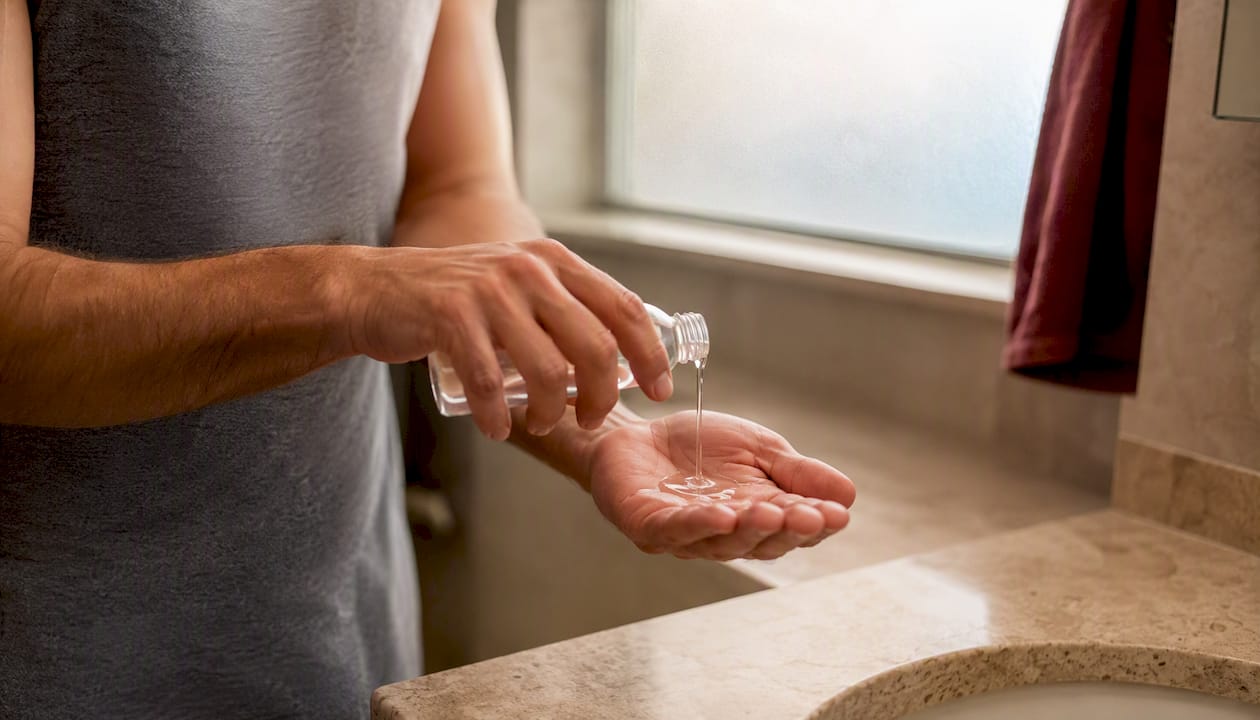
Pro Tip: Warm the lubricant slightly in your hands before applying. Cold lube causes involuntary muscle contraction, which works against relaxation.
Positions that help
Columbia University’s Go Ask Alice health service notes that position significantly affects access and comfort. Common options:
- Lying on your back with knees drawn up — good control, easy to reach, relaxed spine.
- On all fours — gravity assists insertion and the prostate is easier to locate.
- Lying on your side with one knee drawn to the chest — low effort, good for longer sessions.
- Squatting — opens the pelvis but requires more core stability.
Insertion technique
Insert the tapered tip slowly, pausing after each centimetre to breathe and let the sphincter adjust. Never push through resistance. Once the device is comfortably inside, angle the curved tip toward the navel. The prostate is roughly 2–3 inches in and feels like a firm, rounded area distinct from the surrounding tissue.
Stimulation methods
- Steady gentle pressure — hold the device against the prostate without movement; many people find this alone produces strong sensation.
- Small rocking or circular motion — subtle movement across the gland rather than thrusting.
- Come-hither motion — a slow forward curl of the device tip, similar to the finger technique used in prostate exams.
- Vibration — start on the lowest setting and increase gradually. High settings too early can cause numbness rather than pleasure.
- Combined stimulation — pairing prostate stimulation with penile stimulation often intensifies sensation for both.
Partner use
Clear communication before and during is the foundation of safe partner play. Agree on a signal to pause or stop. The Playhause guide on using sex toys together covers consent and communication in practical detail. Use a condom on the device when sharing, and clean thoroughly between partners even with barrier use. External perineum massage is a lower-pressure alternative for partners who want to participate without internal play.
If things feel too tight or uncomfortable
Try a smaller device, add more lubricant, and return to slow breathing. Pelvic floor relaxation exercises practised outside of sexual activity can make insertion noticeably easier over time. If discomfort persists across multiple sessions, stop and consult a clinician.
Safety, risks and when you should not use a prostate massager
Most adverse effects from prostate massagers are minor and preventable. Rectal irritation, mild soreness, and temporary sensitivity are common after a first session and typically resolve within a day.
Serious contraindications — do not use a prostate massager if you have:
- Active or suspected acute bacterial prostatitis (fever, severe pelvic pain, difficulty urinating).
- Recent rectal or prostate surgery — check with your surgeon before resuming any anal activity.
- Active anal fissures or severe haemorrhoids.
- A condition requiring anticoagulant medication (blood thinners) — rectal tissue bleeds easily and thinners increase that risk significantly.
- Active rectal disease or inflammatory bowel disease affecting the rectum.
The Acibadem Hospitals patient guide and NCBI clinical overviews both flag these contraindications clearly. Clinical literature also identifies forceful or unhygienic massage as a cause of rectal injury and infection risk, which is why technique and hygiene are not secondary concerns.
Practical safety rules:
- Never use numbing agents (sprays or gels) — pain is your body’s signal to stop.
- Replace any device that shows cracks, tears, or persistent odour after cleaning.
- Never insert a device without a flared base, regardless of size.
- Do not share devices without a condom and thorough cleaning between uses.
How to clean and care for your prostate massager
Clean the device immediately after every use. Allowing fluids to dry on the surface makes cleaning harder and increases bacterial risk.
General cleaning steps:
- Rinse with warm water, then wash with mild unscented soap or a dedicated toy cleaner.
- For medical-grade silicone without a motor: boil for three minutes or run through the top rack of a dishwasher (no detergent) if the manufacturer permits.
- For stainless steel and borosilicate glass: boil or use a 10% bleach solution rinse, then rinse thoroughly with clean water.
- For vibrating silicone devices: wipe with a damp cloth and toy cleaner — do not submerge unless the device is rated fully waterproof.
- Avoid alcohol-based cleaners on silicone; they can degrade the surface over time.
Storage and inspection:
- Dry the device fully before storing — moisture encourages mould and bacterial growth.
- Store in a clean fabric pouch or the original box, away from other toys that might transfer material residue.
- Before each use, inspect for cracks, discolouration, or unusual odour. Any of these means the device should be replaced.
Pro Tip: For shared devices, assign each person their own condom colour or use single-use barriers every time. Even thorough cleaning carries a small residual risk when sharing internal toys between partners.
When should you see a doctor?
Stop using the device and seek medical assessment if you notice any of the following:
- Heavy or persistent rectal bleeding — spotting after a rough session may be minor, but ongoing bleeding is not.
- Fever combined with pelvic pain — this combination can indicate infection.
- Inability to pass urine or a sudden change in urinary flow.
- Severe or worsening pain that does not resolve within a day.
- A device that cannot be removed — go to an emergency department immediately; do not attempt to force removal.
Persistent urinary symptoms or recurring pelvic discomfort warrant a urology assessment regardless of whether they follow device use. Do not use prostate massage to self-treat a suspected infection. WebMD notes that clinicians use prostate massage diagnostically (to collect prostatic fluid for analysis), but this is a clinical procedure, not something to replicate at home when symptoms are present.
What clinicians and clinical sources actually say
The consensus across authoritative sources is consistent and worth stating plainly.
What the evidence supports:
- Sexual pleasure and possible pelvic tension relief for some people.
- Diagnostic use by clinicians for fluid collection.
- Short-term symptom reduction in some chronic prostatitis cases when combined with other treatments, based on small older trials.
What the evidence does not support:
- Prostate massage as a standalone medical treatment.
- Home devices as a substitute for clinical assessment.
- Any claim of cancer prevention or cure.
Evidence limitations:
- Most clinical trials on prostate massage are small, older, and methodologically limited.
- A PMC review of the literature notes that more research is needed before health claims can be made with confidence.
- A recent open-access review emphasises the scarcity of large, high-quality trials.
Evidence-backed safety practices (drawn from clinical sources):
- Use only body-safe, non-porous materials.
- Apply generous water-based lubricant before and during use.
- Stop immediately for sharp pain or bleeding.
- Avoid use during active infection or with contraindicated conditions.
- Clean the device thoroughly after every session.
A note from Will
Beginner guides to prostate stimulation often fall into one of two traps: they either over-medicalise the topic with dense clinical language, or they gloss over safety entirely in favour of enthusiasm. Neither serves you well.
What I have found, working through the evidence and the practical guidance, is that the gap between a positive first experience and an uncomfortable one almost always comes down to preparation and pace. Not device quality, not technique sophistication — just those two things. The body responds to patience. A session that starts slowly and stays within comfort almost always goes better than one that rushes toward a result.
The clinical picture is genuinely limited. The honest answer is that prostate massage is well-supported as a sexual wellness practice and modestly supported as a short-term comfort measure for some people with chronic pelvic symptoms. It is not a medical treatment. If you have prostate symptoms, see a urologist. If you are exploring for pleasure, take your time, use good equipment, and trust the process.
Playhause ships discreetly, with plain packaging and no identifying branding on the outside. If you have questions about a specific product or need guidance on what suits a first-time buyer, the customer support team is there to help without judgement.
Where to find safe beginner prostate massagers
Playhause carries a curated selection of body-safe intimate devices suited to beginners, including slim curved massagers in medical-grade silicone with flared bases, vibrating options with multiple settings, and external perineum stimulators for those who prefer to start outside the body. Every product in the range is selected for material safety and ease of use.

Orders over £60 qualify for free delivery, and all packaging is plain and discreet with no indication of contents on the outside. If you want to browse alongside other male wellness options, the Playhause men’s toy guide covers complementary products worth pairing with prostate play. For partner exploration, the best couples toys guide is a useful next read.
Visit the Playhause shop, choose a starter device that fits the checklist in this guide, and take your time with the rest.
Sources
- NCBI Bookshelf — Prostate massager and related guidance
- PubMed — older clinical trial(s) on prostate massage
- Medical News Today — Prostate milking (massage): Definition and how to do it
- WebMD — The benefits & risks of a prostate massage
- Acibadem Hospitals Group — Prostate massager: an evidence‑based guide for patients
This article provides general information only and is not a substitute for professional medical advice. If you have prostate symptoms or a relevant health condition, consult a qualified clinician before using any device.